


On March 13, 2026, Poland’s government reiterated its commitment to the European Union’s defense-funding program despite a veto from Nawrocki. This move highlights the ongoing tensions surrounding debt and the role of EU institutions in Poland’s national security strategy.
Government’s Position
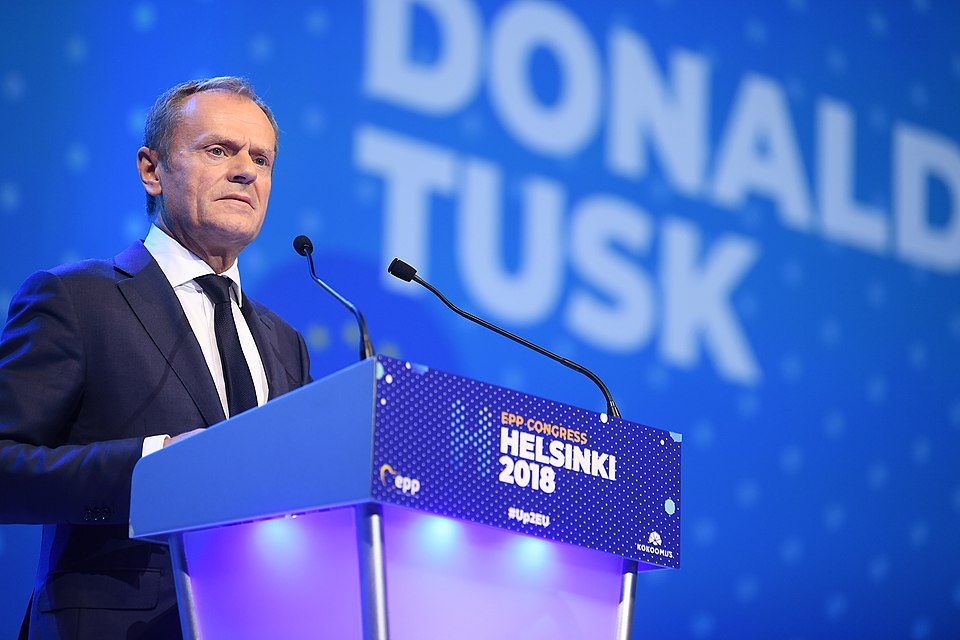
Prime Minister Donald Tusk‘s administration is pushing forward with the EU’s Security Action for Europe (SAFE) scheme, which they view as crucial for enhancing Poland’s defense capabilities in light of the perceived escalating threat from Russia. The government argues that SAFE offers affordable financing essential for addressing the rapid deterioration of security in Europe.
A government resolution announced on Friday authorized ministers to proceed with loan agreements despite the presidential veto. It emphasizes the urgent need for increased military investments as a response to current geopolitical challenges.
Presidential Veto and Opposition Reaction
Nawrocki, backed by opposition parties, vetoed the legislation aimed at implementing SAFE in Poland the previous day. He expressed concerns that the scheme would impose heavy debts on future generations and infringe on Polish sovereignty. According to Nawrocki, the bill would enable Poland to access 43.7 billion euros (approximately $50 billion) in EU loans, which he believes could compromise national autonomy.
The president’s chancellery, represented by Zbigniew Bogucki, accused the government of bypassing legal protocols in its decision to continue pursuing SAFE. Opposition voices, particularly from the nationalist Law and Justice (PiS) party, have criticized the program as a “German plot” seeking to interfere in Polish affairs, arguing it would lead to excessive debt and restrict Poland’s flexibility in defense procurements.
The EU’s Support
The European Commission has stated its non-interference in Poland’s internal debates while reaffirming its support for the SAFE initiative. Spokesperson Thomas Regnier emphasized the necessity of Poland’s involvement in European security, highlighting the strategic importance of the country within the EU framework.
Financial Implications
Due to Nawrocki’s veto, the Polish government will be compelled to rely on an existing armed forces fund, which has restrictive rules preventing the disbursement of approximately 7 billion zlotys (around $1.87 billion) that were designated for the border guard and police. In response to these complications, Nawrocki has proposed an alternative funding mechanism, utilizing unrealized profits from central bank gold reserves to support defense initiatives. However, the government has rejected this alternative, citing a lack of recent profits from the central bank.