


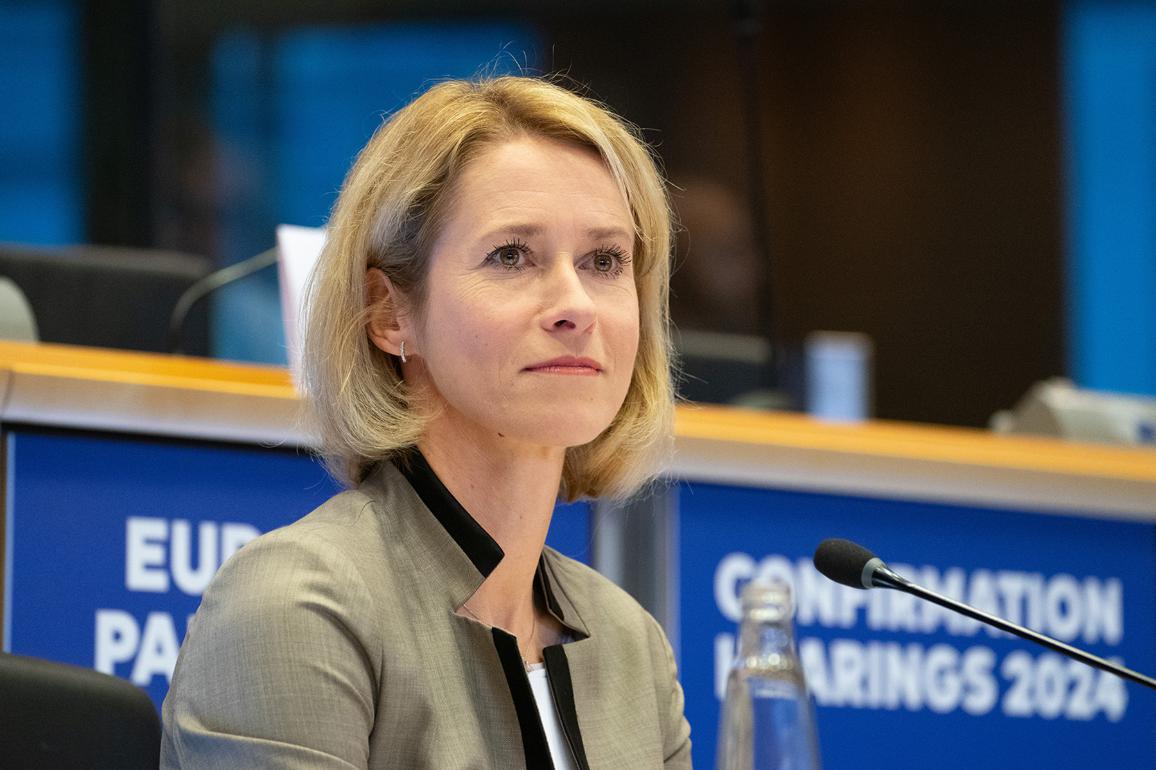
EU, March 13
In an interview with the Financial Times, European Union foreign policy chief Kaja Kallas criticized the United States for attempting to “divide Europe” and expressed her belief that the U.S. does not favor the European Union. This statement comes amid ongoing tensions in transatlantic relations.
Kallas emphasized, “What I think is actually important for everybody to understand is that the U.S. has been very clear that they want to divide Europe. They don’t like the European Union.” This reflects a growing sentiment within the EU that the U.S. administration’s actions are undermining European unity.
Presidential Actions
President Donald Trump has been particularly vocal in his criticisms of the EU throughout his administration. His policies included imposing tariffs on EU member states and provocative suggestions such as the potential purchase of Greenland, which many view as threatening to NATO’s cohesion.
Recently, the Trump administration initiated trade investigations targeting the EU, alongside countries like China, India, Japan, South Korea, and Mexico—accusing them of engaging in unfair trade practices. If these investigations yield new tariffs by summer, they could escalate tensions further. This comes after the U.S. Supreme Court significantly rolled back Trump’s tariff initiatives, illustrating the volatile state of U.S.-EU economic relations.
Kallas cautioned that the tactics employed by the U.S. mirror those of adversaries of the EU, urging member states to approach their relations with the United States collectively rather than seeking separate agreements. “EU countries should not be looking to deal with Trump bilaterally,” she stated. “We are equal powers when we are together,” emphasizing the importance of unity among EU member states.
Defense Cooperation
On the topic of defense, Kallas acknowledged the necessity for EU nations to procure military assets from the United States, citing a lack of adequate resources within Europe. She maintained, however, that Europe must also focus on developing its own defense capabilities. “We need to invest in our own defense industry,” she concluded, highlighting a dual strategy of reliance on U.S. technology and self-sufficiency.
Kallas’ statements underline the complexities inherent in transatlantic relations, illustrating a delicate balance between reliance on U.S. defense and the imperative for European unity in diplomatic affairs.